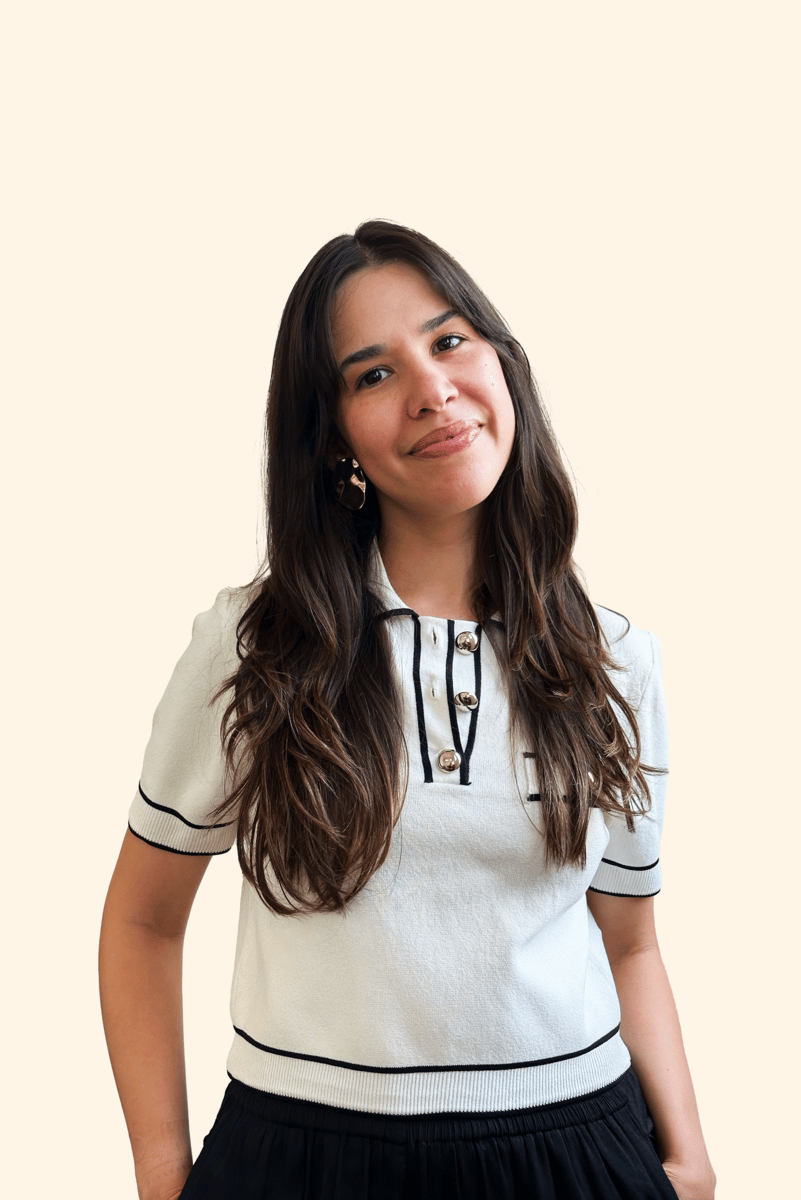

Ask the members of JYT where their name comes from and you get an answer that's half joke, half business plan. Just Your Type: there are five of them, all different, so hopefully one of them is yours. It's the most honest thing anyone has said about boy bands in thirty years. Anyone who ever had a poster taped above their bed knows the music was only part of it. The real ritual was choosing.
Gap has decided it would like to be there when you do. Last week the company signed a multi-year partnership with the five American teenagers, whom the songwriter and producer Freddy Wexler assembled and signed to Republic Records last December. Gap will co-produce their docuseries, take them on a national mall tour with performances inside its stores, dress them on stage and sell a collection they designed. The press release says the point of all this is to build fandom. For once, nobody is pretending otherwise.


A retailer with a chief entertainment officer
The deal is the first under what Gap Inc. now calls Fashiontainment, run by Pam Kaufman, a former Paramount executive who joined in February as chief entertainment officer. A company best known for chinos now employs someone whose job is to make you cry at a documentary. It makes more sense once you look at what happened to Gap last summer.
In August 2025, Gap put KATSEYE in a white room, played Kelis's "Milkshake," and let them dance in low-rise jeans. KATSEYE is a girl group built to order by HYBE, the company behind BTS, and Geffen Records. More than 120,000 young women applied, twenty were chosen to train on camera in a YouTube competition called The Debut: Dream Academy, and fans voted as the field narrowed to six. Within ten days the ad had 400 million views by the CEO's own count. It became the most-watched content in the company's history, and a quarter of a million people filmed themselves doing the choreography. For a brand that had spent years being described as the place your parents bought khakis, it was proof it could still sit inside the culture instead of waiting outside it.
Gap rented a fandom once. Now it wants to own one.
The fans who recreated that ad in their kitchens had been made long before the jeans arrived. They had voted in the competition, then watched Netflix's Pop Star Academy follow the trainees through the auditions and eliminations. By the time Gap showed up, they already knew who had cried in which episode. Gap rented that attachment for a season, and it was worth every cent.
JYT is Gap trying to own what it rented. The band's docuseries borrows its premise straight from K-pop, as Music Business Worldwide pointed out, and now Gap is a co-producer. Fans who find JYT through the series will meet the band and the brand in the same frame, during the part of the story that matters most: the formation, the chemistry, the episode where you decide which one is yours.
JYT has pulled 450 million views in the past 90 days and around two million followers, and they had half a million before they released a single song. When a band's fandom predates its music, the fandom is the product. Gap is getting in at the seed round, while the star is still being made.

The man who turned a doll into a membership card
Gap's CEO has run a version of this play before. Richard Dickson spent most of two decades at Mattel, and when he returned there in 2014, Barbie's sales were falling by double digits. He rebuilt the doll around what girls and parents said was wrong with her, then helped steer the Greta Gerwig film that became 2023's highest-grossing release. For one summer a whole culture dressed in pink without being asked to, and a few weeks later he left for Gap. What Barbie proved is that people will pay to belong to something with a story and a shared vocabulary, and the product becomes the souvenir of that belonging. Pink was the souvenir. Jeans are a good one too.
An audience watches an ad and moves on. A fandom streams on schedule, learns choreography in the kitchen, argues for its favourite in the comments and begs for a lift to a mall three hours away. KATSEYE's fans did Gap's distribution for free, out of love, and that is exactly what brands are buying: the one kind of attention that still reads as real, because nobody is being paid for it.
Your bias, co-produced
K-pop fans have a word for the member they love most: their bias. It's a revealing piece of vocabulary. An industry that spent decades manufacturing groups also gave its fans a word for the one part that felt unmanufactured, the pull toward one face over the other four. The bias is where the fan gets to do the authoring. At thirteen or fourteen, it's also one of the first public statements you make about yourself: what you find funny, which kind of boy seems safe and which seems thrilling, who you'd defend in the comments at midnight. Picking a favourite is a rehearsal for picking yourself.
That's what makes JYT's founding story so effective. Wexler auditioned more than a thousand hopefuls, then let the boys recruit their own bandmates, so the group, we're told, chose each other. The whole emotional architecture of the band is choice, theirs of each other and then ours of them. But the members were fifteen to seventeen when they signed, the meet-and-greets happen in Gap stores, and the documentary about their chemistry is co-produced by the company selling the hoodies.
Pop fandom has always been engineered. The Backstreet Boys and NSYNC were assembled by the same businessman, Lou Pearlman, so there was never much innocence to lose. What has changed is who's in the room when the choosing happens. The label was always there. Now the retailer is too — from the first episode.
The favorite, available in your size
The kids who find JYT this winter won't feel sold to, and that is the whole achievement. They'll pass a phone between friends, divide the five faces between them and pick the one who's just their type, and it will feel as private as the poster above the bed ever did. It won't be. The collection turns each member's personal style into pieces fans can buy, which means the favourite now comes with a size chart. Choosing a favourite has always been one of the first things we say about ourselves out loud. Gap has worked out that the most valuable place for a brand to stand is inside that sentence, before we've finished saying it.
