

The Uncanny Valley of Authenticity
We've reached the point where perfect looks suspicious. A polished gradient, a seamless render, a color palette that makes too much sense—these are the tells of something made without hands. And suddenly, the tremor in a brushstroke, the uneven baseline of a typeface, the raw texture of kraft paper feel like proof of life.
This month's discoveries all orbit the same question: How do you make something look real when the default is now fake?
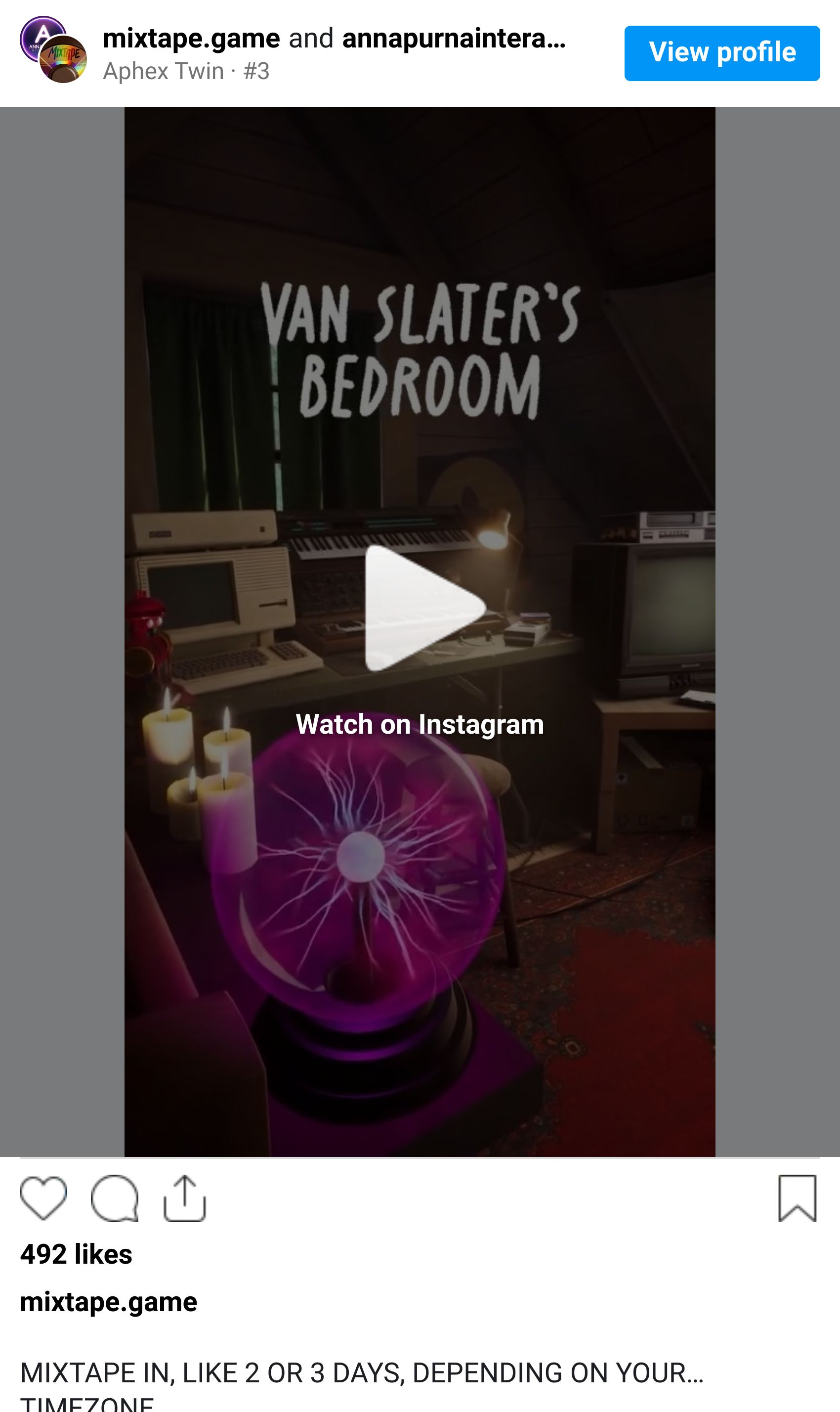
1. Mixtape (the game)
The game studio Beethoven & Dinosaur built stop-motion-inspired animation for their narrative adventure Mixtape, explicitly positioning it as "the opposite of AI slop" because every conversation features lip-syncing done by hand—animators, frame by frame, with every character revealing the visible labor of actual craft.
The game doesn't hide this effort. It broadcasts it. And that's precisely why it works. In a landscape where most indie game visuals are either crisp 3D renders or algorithmically generated, Mixtape's deliberate roughness—its digital awkwardness—reads as commitment. You can feel the person in the room making a choice.
2. Pueblo: Just Kraft Paper and a Red Stamp
Spanish studio Simple Packaging Studio made packaging for cold cuts. That's it. Uncoated kraft, a red stamp, you can see the actual meat through a window. Nothing fancy. Nothing trying too hard.
And it won a Pentawards platinum because in a world drowning in design, sometimes the most radical move is to just... not do anything extra. No gold foil. No gradient. No "heritage aesthetic." Just what it is.
The fact that it's rooted in rural Spain, made by people who actually care about where things come from—that shows. But not in a performative way. It just is that thing.

3. Radford Beauty: Hand-Drawn on Frosted Glass
In April, Radford Beauty launched with imperfect, hand-drawn typography on frosted glass. The type wobbles. The frosted glass softens everything. You can't read it perfectly, and that's the whole point.
There's something almost defiant about refusing to make something crystal clear when you have the technology to do it.

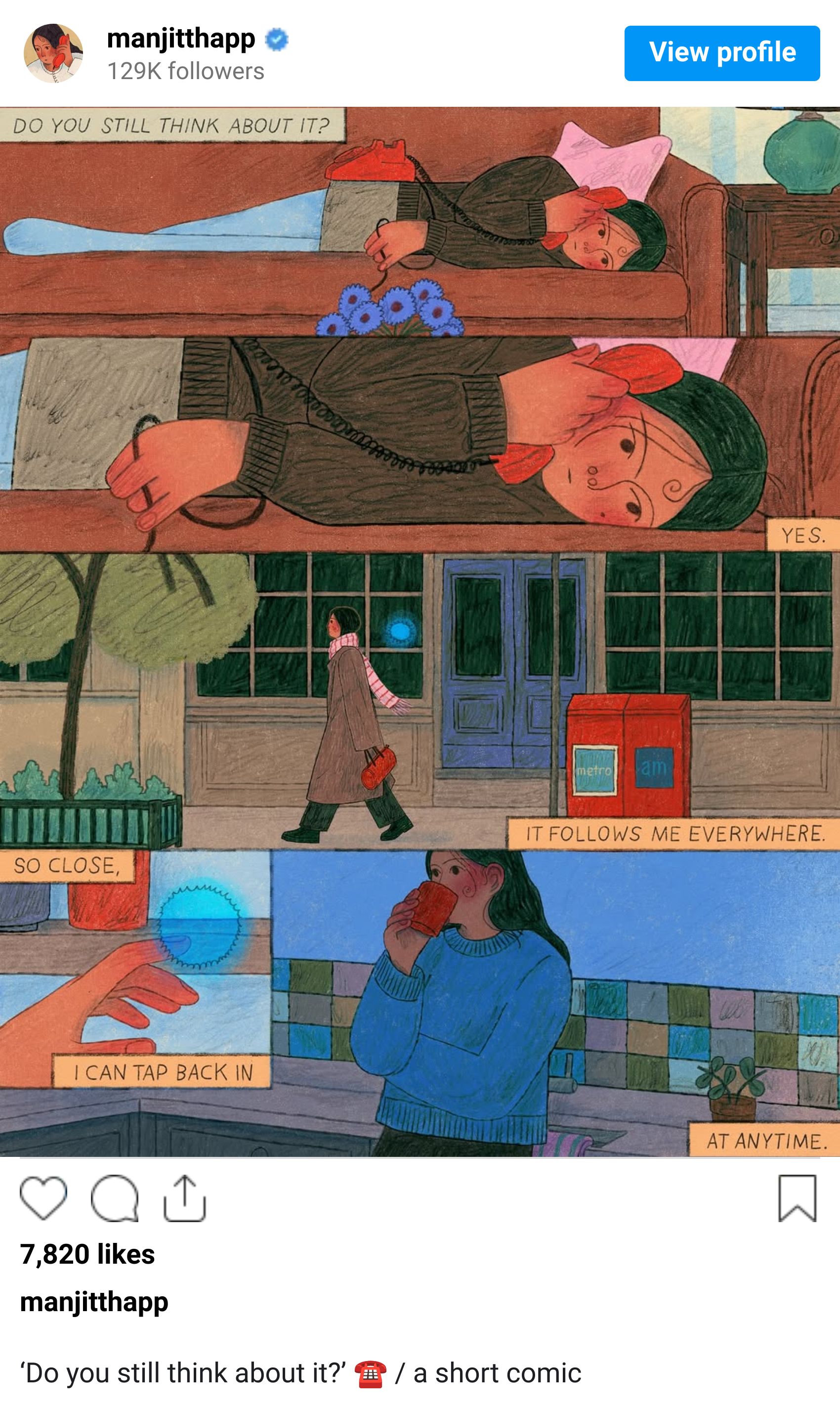
4. Manjit Thapp: Textures That Feel Real
UK illustrator Manjit deliberately adds paper grain to every digital piece. Sketches on paper, scans it, tweaks colors, then adds the grain back in. The tremor is real. The material is real.
She makes quiet scenes—a woman alone at a diner, someone on a train, cozy rooms you want to crawl into. All of it layered enough that you feel the time it took.
5. Julia Fernandez: 300 Tiles, Three Months, No Shortcuts
Animator Julia Fernandez spent three months hand-painting 300 ceramic tiles, firing them, glazing them (letting the kiln introduce its own imperfections), then arranging them in grids and filming frame by frame. The result is a music video called Dirt for musician Emory.
The glazes melted unpredictably in the kiln. The tiles broke. Every day she caught the light differently. She could have rendered this in After Effects in a week. Instead she chose to move one tile, shoot two frames, come back tomorrow. The friction is the point. The unpredictability is the soul.

6. Simon Weisse: Five Miniature Coffee Shops
Model-making genius Simon Weisse—the person who built everything perfectly on Wes Anderson films—spent 1,500 hours creating five tiny coffee shop facades. Handcrafted miniatures paired with De'Longhi machines, each one physically intricate enough to actually serve espresso.
He could render anything. Instead he built these by hand. Every detail matters. Every detail took time.

The Thing That Actually Scares Us
Yeah, we're saving these because we're worried about what algorithms can and can't do. But the worry runs deeper than replacement.
We're terrified designers will start thinking like algorithms. That we'll optimize ourselves toward the safe answer so consistently that we forget what a bad idea feels like when you're convinced it's right.
Simon Weisse spent 1,500 hours hand-building miniature coffee shops. Five tiny facades, handcrafted details, each one paired with an actual De'Longhi machine. He could have shipped a digital render in a day. Instead he chose to physically build something nobody asked him to make, something that took months.
What Algorithms Can't Feel
An algorithm can generate a thousand palettes. It can't feel the temperature shift in a room. It can't understand why someone would choose friction. It can't spend three months when three days would do the job.
That's just being human. Making choices because they matter, not because they win the efficiency test.
We'll keep saving the work that feels like someone chose difficulty on purpose. Because that's the thing we actually need to see right now.
